
The Data We Can No Longer Ignore.
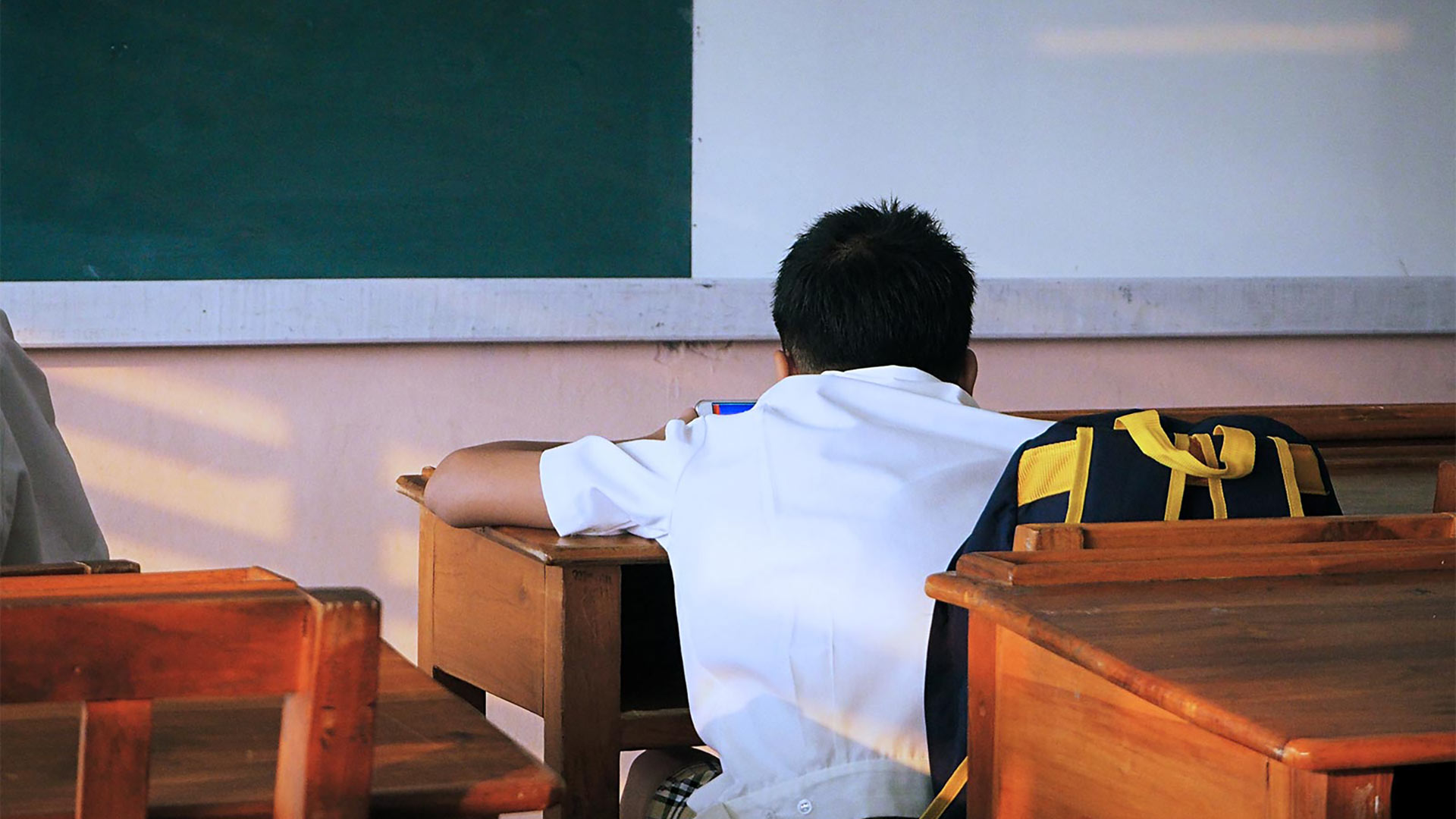
The evidence is overwhelming: boys and young men are struggling across multiple domains of life. This isn’t just a matter of anecdote or perception — it’s quantifiable. Academic performance, mental health outcomes, workforce participation, and the ability to form healthy social bonds all point to a generation of males falling behind.
While their sisters continue to make remarkable gains in school and career, many young men find themselves stagnating or even regressing. The trend line is not bending in their favor, and the consequences ripple outward to families, communities, and societies at large.
A Personal Lens on the Crisis
Having spent more than two decades working with young men — particularly those rebuilding their lives after incarceration — I have witnessed this crisis firsthand. The prison system, where I spent 20 years of my own life, is filled with men whose early struggles with education, emotional literacy, and father absence set them on a trajectory that ended in confinement.
My journey, combined with years of reentry work and research for Psychology of Incarceration, has given me a unique vantage point. I see how this crisis doesn’t end at prison walls; it permeates everyday communities across America.
Internationally, my work in South Africa has shown me that this is not just an American problem. The parallels are striking, though the South African context carries its own historical and socioeconomic layers. Boys there face similar academic, emotional, and developmental hurdles — often magnified by poverty, inequality, and the legacy of apartheid.
The Universal Struggle of Boys
What makes this crisis so urgent is its universality. From Detroit to Durban, boys are falling behind. The specifics differ — education policy here, economic structures there — but the trajectory is familiar:
-
Boys disengage earlier in school.
-
Mental health challenges surface and often go untreated.
-
Transitions to adulthood are delayed or derailed.
-
Many young men lack stable male role models to guide them.
Behind every data point is a young man with potential, dreams, and capabilities that society desperately needs. When we fail to support boys effectively, the cost is borne by all of us: wasted human potential, fractured communities, weakened economies.
Father Absence: The Silent Undercurrent
Perhaps the single most influential factor across both American and South African contexts is father absence. Around 25% of American children and 60% of South African children grow up without resident fathers.
The absence of positive male guidance reverberates in every statistic we see:
-
Higher dropout rates.
-
Increased behavioral issues.
-
Greater likelihood of substance abuse and justice involvement.
-
A lingering struggle to find identity and belonging.
This is not simply about traditional family structures; it is about the need for male presence and mentorship. When boys don’t have fathers, they find substitutes — sometimes in gangs, sometimes in extremist groups, sometimes in distorted forms of masculinity that do more harm than good.
A Challenge That Belongs to All of Us
This is not just a crisis for boys; it’s a crisis for society. When boys and young men fall behind, we all lose:
-
Families bear the weight of unfulfilled potential.
-
Communities suffer from disconnection and violence.
-
Economies weaken when half the population is underdeveloped and underemployed.
The truth is simple: when boys thrive, everyone benefits. Stable families form, innovation grows, economies strengthen, and cycles of violence diminish. Addressing the challenges boys face is not a zero-sum game with girls’ progress. It is a both/and proposition — we can celebrate girls’ remarkable gains while ensuring boys do not get left behind.
The Path Forward Begins with Recognition
This first step is honesty. We must recognize the problem for what it is: a crisis hiding in plain sight. Too often, conversations about gender and equity overlook boys entirely, as if acknowledging their struggles undermines girls’ achievements. Nothing could be further from the truth.
The time has come to widen the lens of inclusion. Evidence-based solutions exist — boy-friendly educational approaches, targeted mental health initiatives, mentorship programs, and opportunities for meaningful work. What’s missing is the urgency to act and the courage to invest.
Closing Thought
Every boy — whether in Boston or Bloemfontein, New York or Johannesburg — deserves the chance to grow into a man of purpose, connection, and contribution. Recognizing this crisis is the first step. Responding with intentionality and compassion is the challenge before us.
About the author : Khalil Osiris


Recent podcast episodes

17 September, 2025
In this episode, we wrestle with the shocking assassination of Charlie Kirk. We talk about what his death means for free speech, for faith, and for the way we...

24 August, 2025
In this episode, we dive into the heated debate around Washington DC’s crime crackdown. Protesters call it fascism, supporters call it common sense — but what’s really...

13 August, 2025
In this episode, we open with the Sydney Sweeney “great jeans/genes” backlash, not because we care about internet drama, but because it reveals something deeper about...
Recent Articles

Corporate America has a blind spot so large it undermines the very principles DEI claims to champion. While diversity and inclusion efforts have...

We all have a deep need to belong, to be part of something bigger than ourselves, something which gives us a sense of identity and...
The evidence is overwhelming: boys and young men are struggling across multiple domains of life. This isn’t just a matter of anecdote or...
Honest words. Human connection.
Be part of the dialogue.
Get insights, bold conversations, and updates from Khalil & Craig straight to your inbox.